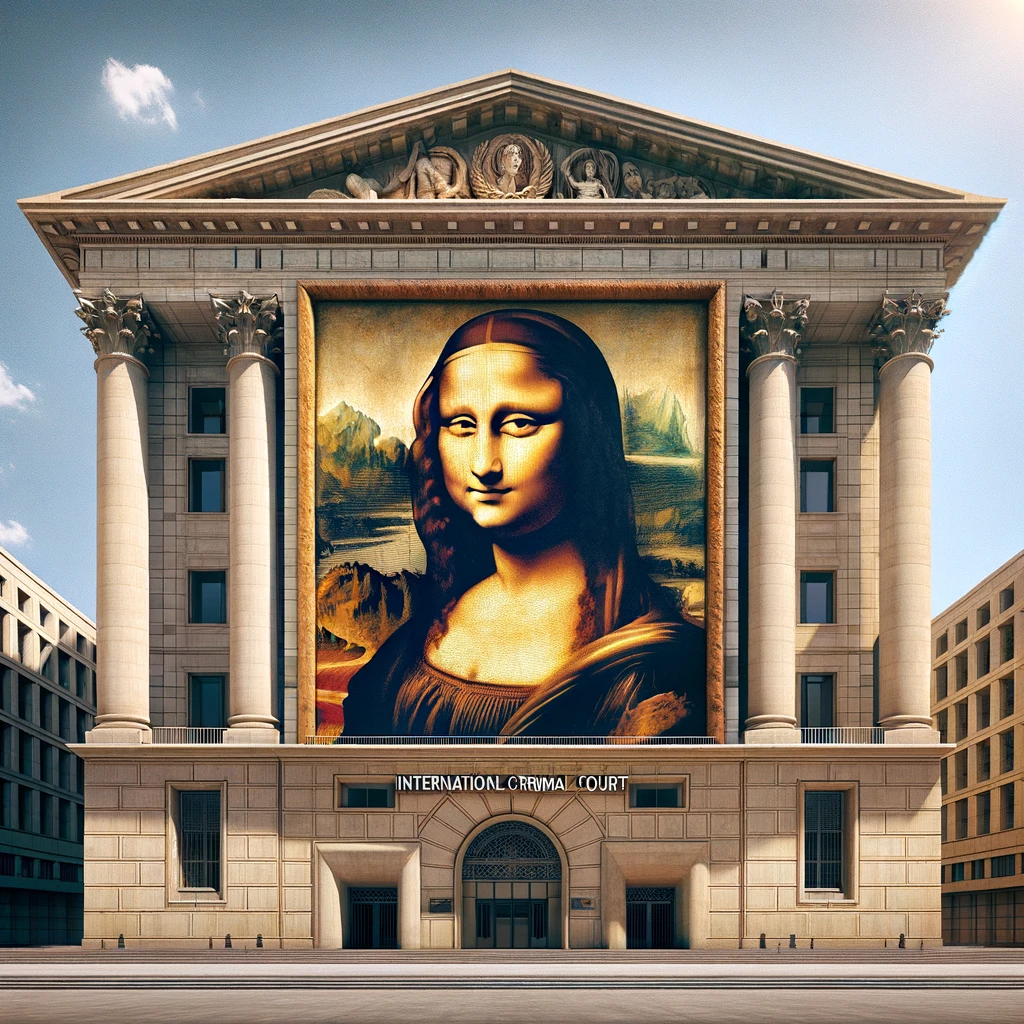
In recent years, the international community has been witness to a series of alarming incidents perpetrated by “climate change” activists: In particular, the group known as Just Stop Oil. This collective, motivated by their perception of environmental concerns and the “urgent call for action” against the use of fossil fuels, has adopted a controversial method of protest that involves targeting iconic works of art across various European museums. Their acts, which include the defacement of priceless artworks, have sparked widespread debate and concern, not only about the state of our environment but also about the means by which activism is conducted in the modern era.
Just Stop Oil asserts that their actions are intended to draw attention to the “climate crisis.” It is worth noting that the earth’s climate has always been changing, for millennia, and we are at the cusp of emerging from a natural cycle of cooling known as the “Little Ice Age.” But that is a debate for a different article. This article is abut the methodology they have chosen—targeting cultural heritage to convey their message—which stands in stark opposition to the values and principles that bind us as members of the human race. The deliberate endangerment of artworks, which serve as a testament to our collective history, creativity, and shared experiences, is not only counterproductive but deeply offensive. It is a stark reminder that the line between activism and vandalism is one that should never be crossed.
I would argue that the preservation of human culture is at least as valuable as the preservation of the natural environment. But again, that’s a topic for another complete essay. However, what I can do now is to urge legislators to recognize it.
As a member of the human community, I find myself profoundly offended by the actions of Just Stop Oil. Their tactics do not represent my values, nor do they reflect the respect and reverence that I, along with countless others, hold for our cultural heritage. It is a fundamental belief that the preservation of art and cultural property transcends individual causes, no matter how pressing. The destruction or endangerment of such treasures cannot be justified under any guise of activism.
In light of these events, and inspired by a resolute commitment to safeguarding our cultural heritage, the necessity for robust, clear, and enforceable legislation has never been more apparent. The incidents involving Just Stop Oil, coupled with other acts of cultural vandalism like the destruction of the Bamiyan Buddha statues by the Taliban, underscore a gaping vulnerability in our international legal framework. There exists an urgent need to fortify our defenses against the intentional destruction of or damage to cultural property.
It is within this context that the following legislation is proposed. This legal framework is designed not only to impose severe penalties on those who would dare to harm our shared heritage but also to serve as a deterrent against future acts of cultural vandalism. Through this legislation, we affirm our unwavering commitment to the protection and preservation of cultural property, ensuring that the legacy of our past remains intact for the enlightenment and enjoyment of future generations.
Motion for the Establishment of an Enforceable International Convention on the Protection of Cultural Property
A motion to UNESCO
Preamble
Recognizing the invaluable role of cultural property as a cornerstone of humanity’s shared heritage, reflecting the diversity of cultures, traditions, and histories that enrich our global society,
Alarmed by the increasing threats to cultural property worldwide, including acts of vandalism, destruction, and illicit trafficking, which erode the very fabric of our cultural identities and historical consciousness,
Deeply concerned by recent incidents that have highlighted the vulnerability of cultural heritage to deliberate acts of destruction, such as the reprehensible actions of the Just Stop Oil protestors who defaced priceless works of art in several European museums, thereby endangering the legacy and integrity of our shared cultural assets,
Recalling the tragic destruction of the Bamiyan Buddha statues by the Taliban, an irreplaceable loss to the world’s cultural heritage that underscores the urgency of enhancing protection for cultural properties of outstanding importance to humanity,
Acknowledging other instances of cultural heritage destruction, such as the deliberate demolition of historical sites in Palmyra, Syria, by extremist groups, and the catastrophic fire at the National Museum of Brazil, which resulted in the loss of invaluable artifacts and specimens representing Brazil’s rich cultural and natural history,
Affirming the principles enshrined in the UNESCO Convention Concerning the Protection of the World Cultural and Natural Heritage (1972), the UNESCO Convention for the Safeguarding of the Intangible Cultural Heritage (2003), and the Hague Convention for the Protection of Cultural Property in the Event of Armed Conflict (1954) and its Protocols,
Convinced that the deliberate destruction of cultural property constitutes a loss to humanity as a whole, and that the international community must stand united in its efforts to prevent such acts and ensure that stringent measures are in place to deter and penalize those responsible,
We hereby desire the establishment of a new international legal framework, aimed at imposing severe criminal penalties for the intentional destruction of, or damage to, cultural properties of significance to mankind, ensuring that such acts are met with the full force of the law, and that the protection of our shared cultural heritage remains a paramount concern for all nations.
Be it proposed therefore:
Subject: Establishing an International Convention to Impose Severe Criminal Penalties for the Intentional Destruction of or Damage to Cultural Property of Significance to Mankind
Recognizing the universal value of cultural property as a testament to the diversity and richness of human civilizations and an essential component of the world’s cultural heritage,
Deeply concerned by the increasing instances of intentional destruction and damage to cultural properties worldwide, including but not limited to acts of vandalism by groups such as Just Stop Oil against invaluable artworks, the demolition of the Bamiyan Buddha statues by the Taliban, the deliberate destruction of historical sites in Palmyra, Syria, and the devastating fire at the National Museum of Brazil,
Reaffirming the principles and commitments outlined in existing international frameworks, including the UNESCO Convention Concerning the Protection of the World Cultural and Natural Heritage (1972), the UNESCO Convention for the Safeguarding of the Intangible Cultural Heritage (2003), and the Hague Convention for the Protection of Cultural Property in the Event of Armed Conflict (1954) and its Protocols,
Emphasizing the need for a robust international legal instrument that specifically addresses the intentional destruction of or damage to cultural property, ensuring that such acts are recognized as serious crimes against the collective heritage of humanity,
Hereby proposes the establishment of an International Convention on the Protection of Cultural Property (ICPCP), with the following key provisions:
- Definition of Cultural Property: Cultural property includes tangible and intangible heritage that holds outstanding value from a historical, artistic, scientific, spiritual, or cultural standpoint to humanity.
- Criminalization of Intentional Destruction: The intentional destruction of or damage to cultural property of significance to mankind shall be considered a criminal offense under this Convention.
- Jurisdiction and Enforcement: States Parties to the Convention commit to enacting national legislation that aligns with the Convention’s principles, ensuring the prosecution and punishment of individuals or groups responsible for the destruction of or damage to cultural property.
- International Cooperation: States Parties shall cooperate at the international level to prevent, investigate, and prosecute offenses covered by this Convention. This includes mutual legal assistance, extradition of offenders, and sharing of best practices for the protection of cultural property.
- Preventive Measures: States Parties shall undertake to implement preventive measures for the protection of cultural property, including risk assessment, documentation, and the development of emergency response plans.
- Restitution and Rehabilitation: The Convention shall establish mechanisms for the restitution of stolen or illegally exported cultural property and support the rehabilitation of damaged cultural heritage.
- Capacity Building and Awareness: The Convention will promote international cooperation for capacity building, education, and public awareness campaigns aimed at the protection of cultural property.
- Monitoring and Compliance: An International Committee for the Protection of Cultural Property shall be established to monitor compliance with the Convention, facilitate international cooperation, and provide guidance to States Parties.
Calls upon Member States of UNESCO and other relevant international bodies to support the development and adoption of this Convention, reinforcing the global commitment to preserving the cultural heritage of humanity for present and future generations.




 Words of a Watchman
Leave a comment